
Onelife School of Leadership
Onelife School of Leadership: A Transformative Week
In August 2025, I had the privilege of attending the Onelife School of Leadership at The Poplars in Ledbury, surrounded by the peaceful Gloucestershire countryside. I arrived carrying tiredness and leftover adrenaline after volunteering at Big Church Festival the day before, yet somehow I left with more energy, clarity and passion than I ever expected. What I did not realise when I stepped onto the site was how profoundly this week would shape my spiritual formation, character and understanding of leadership.
Arrival and Atmosphere
I arrived during an unusually warm sunset and was immediately welcomed with refreshing drinks, coffee, snacks and smiling helpers who insisted on carrying my heavy bags. There was a gentleness in the way they cared for me; a feeling of being seen, welcomed and looked after.
After dropping my luggage, I was guided to a friendly game of rounders behind the venue. The mountain views, the quiet landscape and the scent of woodland made it feel as though I had stepped into a different world with a new pace, ambience and warmth. The nervousness I had brought with me dissolved instantly. Everyone was friendly, supportive and joyfully present.
The moment I sensed the week would be different came just before worship began. The final few attendees from Switzerland slipped in right on time, completing the circle. In that quiet, expectant pause, it felt like the perfect beginning.
Worship as the Anchor
The worship sessions quickly became the heartbeat of the entire retreat. The extended times of singing and prayer were some of the most powerful I have ever experienced. There was a genuine freedom to encounter Jesus deeply, without rush or distraction.
Each morning, the prayer meetings created a stillness that slowed our pace and helped us approach God intentionally. These were not simply items on a schedule. They became anchors that steadied everything else.
Identity, Success and Internal Formation
The session that marked me most came during teaching on identity and success. The words cut through assumptions I had not realised I was carrying. Having recently left Cambridge, a world where achievement feels ever-present, I realised how easily success can begin to shape your identity.
But, the reminder that identity in Christ is the true foundation of leadership and success landed with a clarity that felt almost physical. It was as though God dismantled the subtle pressures of performance and rebuilt something far healthier within me.
This emphasis on identity led naturally into some of the most transformative character work I have ever done. Sessions such as Knowing Yourself and Others and Identity and Leadership invited us to be honest about our motivations, strengths, weaknesses and blind spots. Hearing others share so openly made the environment feel grounded and safe.
I realised that character outweighs talent, gifts and even values. Without a healthy character, leadership can quietly unravel. These lessons felt as though they were being etched into me.
Practical Leadership and Communication
The practical leadership sessions were equally stretching. Stew’s communication training stands out particularly clearly. Through exercises that pushed us far outside our comfort zones, I became more aware of how I listen, how I influence a room and how I present myself. One simple listening technique stayed with me: body language and tone often communicate more strongly than the words we choose.
I also recognised communication weaknesses I had not seen before, including moments where I was not as clear as I believed or where I listened without truly hearing. Since returning home, I have been intentionally practising these tools, and something beautiful has happened. People stay in conversations longer and leave looking genuinely happier. Communication has shifted from something I do to something I steward and enjoy.
Community and Joy
Beyond the sessions, the community was one of the greatest blessings of the week. Over home-cooked meals, outdoor activities and deep conversations, friendships formed so naturally that it felt effortless. Fun was woven throughout the week. Silent discos, bonfires, fireworks and chaotic challenges were balanced with slip-and-slide sessions, football, volleyball and many unexpected surprises. The childlike joy of these moments complemented the depth of the teaching.
Some favourite memories came around the firepit during late-night conversations about our future steps, callings and hopes for the year ahead. During a special dinner, I had the chance to speak with Chris about his upbringing and the story behind Onelife. It grounded me and deepened my appreciation for the project.
A particularly hilarious moment came during small theatre exercises designed to grow our confidence. Watching people throw themselves into improvised mini-performances was unforgettable. Yet even in the fun, I was moved by the resilience of the people in the room. Many had faced significant challenges, yet they were some of the happiest and most gracious individuals I have ever met.
Liz, one of our speakers, encouraged me deeply through her teachings and her life story. Every piece of her advice was firmly grounded in Scripture. She modelled humble, passionate, Christlike leadership in a way that felt both inspiring and accessible.
Lessons I Carry Forward
By the end of the week, I found myself carrying a collection of tools, examples and truths that will stay with me for years to come, including:
how to lead with Christlike character
why honesty, integrity and spiritual maturity matter
how to fight distraction in a noisy world
why character matters more than talent
how abiding in Christ (John 15) is the foundation of everything
how to prepare in peaceful seasons for future challenges
The final days held special moments that I will not spoil, but I walked away both humbled and equipped. I would not yet call myself a good leader, but I can now say confidently that I have the tools and foundation to grow into one. I entered the retreat a bit like Martha, busy and rushing, barely aware of my pace. However, at the end, I left more like Mary, sitting at Jesus’ feet, but also ready to step forward with more confidence, tools and passion to lead in all the areas of my life.
A Recommendation
I wholeheartedly recommend the Onelife School of Leadership to any young Christian aged 18 to 25 who is seeking growth in character, practical leadership and spiritual formation. Whether you arrive from a busy season or a quiet one, Onelife will stretch, challenge and equip you in unexpected and life-giving ways that you need.
Onelife helped me slow down, listen, reflect and step into leadership with a clearer sense of identity, direction and more leadership advice than I was expecting. I am profoundly grateful for this week, and I know its impact will remain with me for years to come.
“The way of fools seems right to them, but the wise listen to advice.”
Proverbs 12:15 (NIV)
As told by David Gutierrez, Fruitful Work summer Intern 2025
Signup to the OneLife school of leadership here - https://onelifeleaders.com/event/school-of-leadership-2026
Level up your impact
It all begins with an idea.
Marry wisely
If you marry, the single biggest factor in whether you continue an all-in career for Jesus, especially when it comes to radical generosity, will usually be whether your spouse shares that vision.
2. Expect to make sacrifices
We should expect to make sacrifices for God with our careers.
Following Jesus means being willing to lay down everything. Around the world, some give their very lives for the gospel. For most of us, the cost will be different — a risk to our reputation, comfort, career success, or financial security.
If Christ is worth everything, then nothing is off-limits. Hold your career with open hands, ready to say with Paul,
“To live is Christ, to die is gain”
3. Influence others for impact: What if your friends chose impact too?
Your impact doesn’t have to stop with you. If you help just two other Christians use their careers for maximum disciple-making, you’ve already tripled your lifetime impact. This is one of the simplest and most strategic ways to multiply your fruitfulness for God’s Kingdom.
So encourage your peers and colleagues now to seek impact, make strategic career choices, and be radically generous.

Start now
Your university years and early career are uniquely high-leverage times to influence the entire trajectory of others’ lives.
Why?
People are more open to change – They have not yet locked in major life decisions, grown accustomed to higher living standards, or taken on responsibilities that reduce flexibility (such as marriage or children).
More time means more impact – Choosing an impactful route early gives many more years of multiplying Kingdom fruitfulness.
“Had we started when I was 25, I could have enjoyed that blessing another 10 years!”
How to influence your network
Personal conversations – Talk to friends or Christian colleagues about career impact. Be intentional – Why not try to speak to 10 people about how they could use their careers for the Kingdom.
Host informal gatherings – Organise dinners or small events for friends. For example, one startup founder we know runs generosity evenings for around 20 friends in his home.
Share within your community – Speak at your church, Christian Union, or small group, or start a Fruitful Work group to explore these ideas together.
Bring people to Christ – Focus on bringing your friends and colleagues to Christ and, if appropriate, invite them into this vision too.

Public influence
Share online – A single post on LinkedIn or Instagram can reach hundreds.
Consider building a platform – This could be a podcast, blog, or YouTube channel—and sometimes a niche focus can be especially powerful. For example, a Christian quantitative trader might write for other Christian traders about giving radically and effectively to ministry. Cody Hobelmann, a financial planner, and Kealan Hobelmann, a surgeon, illustrate this well — they host The Finish Line Podcast, which explores setting a lifestyle cap, and has enabled them to reach thousands.
4. Consider counterfactual impact
What is counterfactual impact?
Counterfactual impact is the difference you make by doing something versus what would have happened if you hadn’t done it.
Why is this important?
It’s important in your work and volunteering. For example, your church might have more guitarists than slots in the worship band, so joining would add minimal counterfactual impact, as worship can happen without you. Instead, joining the youth team, where leaders might be desperately needed, could enable deeper discipleship for teenagers – boosting your counterfactual impact.
It’s important in your giving. If you give a fixed amount each year, then £1,000 from that total to a homelessness ministry might house someone for a month, but if that money would otherwise go to a ministry able to plant an entire church in an unreached country, the counterfactual impact of giving to the homelessness ministry may be negative compared with giving to the church-planting ministry.
How to use this
Apply this lens to your career, volunteering, and giving. Always consider the difference you add beyond what someone else would have achieved in your place. A big implication of this is that you can often increase your impact by focusing on neglected issues. These are areas where, if you were not involved, the work might never happen or would happen at a much smaller scale. In well-served areas, it is far more likely someone else would step in and fill your role.
This is humbling
Thinking about counterfactuals reminds us that the impact we personally achieve is not what ultimately matters. What matters most is that God’s Kingdom grows, whether through us or through others.
5. Build up career capital

Focus on building up your career capital – skills, character, experience, credentials, and network, so that you can have higher impact in future.
Focus on building flexible capital: things useful across sectors (e.g. communication, leadership, tech, strategy).
6. Go out a level
Focus on increasing your impact by multiplying it through others. Expand your gospel influence, either by becoming more senior, for example, moving from a teacher to a headmaster or by shifting to roles which have a more system-wide influence.
Ed, one of our founders, followed this path:
Trained as a doctor to become a medical missionary
Realised by instead of working as a UK doctor, he could fund 30 full-time church planters
Launched 500k, a mission organisation that funds 1,300 church planters
Now, alongside running 500k, he’s helping grow Fruitful Work to inspire thousands of students into more impactful careers.
In each step, he has sought to multiply his impact by enabling or influencing others to be more impactful.
7. Be prepared to switch roles
Career seasons change. A role that once maximised your impact may not always do so. Be ready to pivot when a new opportunity offers greater disciple-making impact.
Don’t cling to comfort. Follow God’s leading into new assignments, and regularly ask,
“Is this still the place where I can serve most effectively?”
8. Innovate for Christ
Nehemiah saw the need, Jerusalem’s walls in ruins, and acted, rebuilding them.
See what the world needs and use your God-given creativity to launch startups, tools, or side projects that advance the gospel.
If we want to shape the future, we may need to create our own opportunities—they are less likely to be handed to us than they might have been in previous generations.
And remember, the vast majority of ministries and companies began as side projects, so you do not need to be working full-time on one to get it off the ground.
9. Stay ahead of the curve
The job world is changing fast. For example, AI is expected to automate many computer-based jobs by 2030, especially in graduate roles.
Consider how AI will drastically change the job landscape, and stay ahead by learning to use these tools yourself.
Think strategically about discipleship—focus on reaching tomorrow’s spaces, not yesterday’s, as the church is often slow to adapt to new opportunities.
10. Put it into practice

Who could you personally challenge this month to pursue greater disciple-making impact in their career — and how will you do it
What platform, skill, or opportunity could you use to inspire dozens, or even hundreds, of others to work for maximum Kingdom impact?
What’s one insight from this section that you will act on within 3 months to increase your Kingdom impact?
In the ministries you’re currently involved in, what would happen if you weren’t there? Would your absence make much difference counterfactually?
Effective Christian Giving
It all begins with an idea.
Why give effectively
Our giving is a very practical way of putting into practice the principles of “going all in with our intelligence” — and being fruitful as well as faithful— outlined in our Understanding Impact article. Revisit this article for the Biblical rationale behind this.
Giving as triage
Triage is prioritising medical care of some above others in order to allocate limited resources effectively. The same concept applies to our giving. By giving to one brilliant charity, we are actively deciding not to give that money to another great charity. Without taking into account triage, the few are saved at the expense of the many. And these are life-or-death decisions. Our giving impacts people’s eternity with Jesus.
Recognising this sober reality should not paralyse us, but excite us. God has given you the opportunity to save even more lives with your resources, like the way a good triage doctor could save twice as many lives in a war zone.
The most effective ministries have 100 times the impact
Secular data shows that the most effective charities can have an impact 100 times greater than an average charity. This is also true of Christian ministry.
“It takes over 700 times more money to see someone come to faith and be baptised in rich, reached countries like Switzerland than in poor, unreached countries like Nepal.”
This is exciting as it enables us on modest incomes to punch far above our weight. If you’re on minimum wage and giving 20% to a highly effective charity, you’ll have the same impact as someone able to give £500,000 to an average charity.
How to give effectively
Pray
Without abiding in Christ, our giving is entirely ineffective; we’ll bear no fruit (John 15:5). In fact, God may lead many of us to give in seemingly ineffective ways, so we must listen to him above all else.

Local Church
Don’t neglect your local church, it’s Biblical to give there. “Nevertheless, the one who receives instruction in the word should share all good things with their instructor” (Galatians 6:6).
Disciple-making is central
Disciple-making work cannot turn elsewhere for funding; there is no welfare state for souls – so we should give to organisations which prioritise disciple-making.
In Mark 2, Jesus first forgave the sins of the paralysed man, then healed him. This is a challenge for us, are we truly loving our neighbour if our giving isn’t focused on making disciples? Even a doctor is not truly a lifesaver, but a death postponer. That said, whilst disciple-making must be central, biblically, humanitarian work often comes alongside this. In Acts 6, despite the apostles’ focus on word ministry, they ensured the hungry were fed — showing that practical care should accompany, but not displace, the gospel.
Broaden our definition of “neighbour”
Remember, neighbours aren’t just those locally. In 1 Corinthians and Romans, Paul talks about gathering a collection for those 1,000km away in Jerusalem.

Focus on a cost-effective, evidence-based model
Carefully consider the model.
Does it appear cost-effective?
Does the model encourage self-sustaining growth or create dependency?
Don’t worry about overheads. High-impact charities often need strong infrastructure to stay focused on outcomes.
Seek evidence of outcomes. Is the ministry recording outcomes or just stories? Is there any third-party data to verify this?
Personal relationship
Build a relationship with those within the ministry, this supports them and helps motivate you into sustainable giving into the future.
Going on a “go and see” trip can be very helpful to understand what an overseas ministry is actually doing and build relationships with those on the ground.
The church itself is a diversified portfolio
The church’s giving is spread widely, like a diversified portfolio. Even if every reader shifted all their giving to the most cost-effective charities, the overall balance of Christian giving would only shift slightly. But for these few ministries, this extra support would be transformative, so it makes sense to give overwhelmingly to them, knowing others will not be left entirely unfunded.
One effective strategy
There are many ways to give effectively. But we’ve found this strategy can be particularly effective.

Focus on the unreached
The unreached are where there are less than 1 in 100 people who are Christian, so most never hear the gospel. These make up over 1/3rd of the world’s population.
We could argue this should be where most of our money and missionaries are going – to spark movements of Christ there to make disciples of “all nations” (Matthew 28:19)
The great imbalance
Yet there is this great imbalance, just £1 in every £1,000 given by Christians and one missionary in every 100 goes to reach the 3.4 billion unreached.
Equip locals to reach locals
Money can go further overseas, especially when locals reach other locals with the gospel. These indigenous workers are often better at reaching their own. They’re not outsiders – they speak the language and understand the culture.
Furthermore, ministry with indigenous workers is often better value – the cost of sending out a Western missionary is about £50,000 per year, 70 times more than the cost of a local.
Case study: Bhojpuri church planting movements
Effective model where locals reach locals – Based on Luke 10:6, find a local person of peace, disciple them to make disciples, they make disciples who likewise make disciples and Christianity multiplies.
Focused on the unreached – The Bhojpuri people of North India had few Christians.
Multiplicative growth – From 28 churches in 1989 to 60,000 by 2008.
Enormous impact – Today, there are millions of Bhojpuri believers.
Other potentially cost-effective giving opportunities
These are some further examples of giving opportunities that may be especially cost-effective, but the details matter — a model that spreads weak theology can end up doing more harm than good.
Christian media – reaching millions through content including films, radio, or social media (e.g. The Jesus Film, Christian radio into closed countries, social media ministries like The Way).
Pioneering ministries – opening doors for future work, such as sending the first missionaries to a people group, or funding a completely new evangelism model (imagine backing Alpha 35 years ago).
Multiplicative models – enabling others to multiply impact:
Raising awareness of neglected issues, (e.g. Joshua Project sharing data on the unreached).
Raising up and equipping effective leaders (e.g. missionaries training indigenous pastors, ministries raising effective gospel workers).
Building movements (e.g. Missional Labs inspiring missional entrepreneurs).
Covering the operational costs of effective giving funds, so more people can give well.
Income-generating models – seed funding or loans that create sustainable or even profitable ministry, such as buying church property or investment into a new Christian school or publishing company.
Put it into practice
How will you ensure your giving is as effective as possible going forward?
If you had to choose just one ministry to give to for maximum gospel impact, which would it be and why?
First be a faithful disciple
It all begins with an idea.
Before we think about our work, we should think about being a faithful disciple. At Fruitful Work, we focus on using our careers for Jesus’ mission of making disciples, but we must remember — before we think about making disciples, we first think about how we are disciples.
Our careers, which are our focus at Fruitful Work, are only a part of our Christian walk. Far more important is being a faithful disciple, abiding in Jesus, loving Jesus and obeying his commands. He says, “If you remain in me and I in you, you will bear much fruit; apart from me you can do nothing” (John 15:5). A fruitful life begins and ends with our relationship with Jesus.
Fruitful workers are often “doers” by nature, but we must remember that Jesus praised Mary for sitting at his feet, not Martha for her busyness. Our first calling is to be with Jesus, not just to do for him (Luke 10:38–42). This should serve as a warning to us embarking on this journey. If we do everything else but fail to abide in Jesus, we will bear no fruit. Jesus tells us we will be “like a branch that is thrown away and withers; such branches are picked up, thrown into the fire and burned” (John 15:6).
How to be a faithful disciple
When asked about the greatest commandment, he gave two: “Love the Lord your God…” and “Love your neighbour as yourself” (Mark 12:30–31).
Love the Lord
“Love the Lord your God with all your heart and with all your soul and with all your mind and with all your strength”
This should be our first, second, and third priority. All that we do should then flow out of devotion to the Lord. But that devotion is not about measurable performance, but childlike trust and dependent love.
Do our priorities reflect this? Tangibly, we can make our lives reflect this priority by investing time in our relationship with God every day. Do we give him five minutes every morning? Or 30? Or 60? Could our personal times of devotion to the Lord each day become our most important objective every day?
Do we obey Jesus’ commands? Jesus said, “If you love me, keep my commands” (John 14:15). True love for him is shown in obedience — resisting daily temptations to anger, greed, pride, and lust.
Are we safeguarding ourselves against the temptations of the world? In the Parable of the Sower (Matthew 13:1–23), Jesus teaches that to be fertile soil — producing a harvest thirty, sixty, or a hundred times what was sown — we must avoid the choking weeds of worldliness and wealth. Left unchecked, these desires quietly take hold, choking spiritual growth and reducing our fruitfulness.
Love our neighbour
Do we love those around us? Not just with words or intentions, but with time, service, patience, and presence? Love for our neighbour often looks ordinary — listening well, forgiving quickly, offering help quietly. It’s these unseen moments that reflect the love of Christ.
Do we love those beyond our circles? Jesus’ parable of the Good Samaritan (Luke 10:25–37) reminds us that our neighbour is not limited by geography or background. Our neighbour includes the outcast and the outsider, the refugee and the forgotten, the people next door and the people we’ll never meet. This means caring not just for those we see, but also for those we don’t — the hungry, persecuted, and unreached across the nations.

God’s upside-down economy
The story of Gideon shows us that God can use any imperfectly surrendered life for His glory. He doesn’t need us to have great talent, influence, power, or wealth for Him to work through and with us. Impact flows not from self-sufficiency, but from dependence on him.
Prayer and belief will accomplish far more than our best efforts. Jesus said, “Everything is possible for one who believes” (Mark 9:23). This is why we can embrace the counter-intuitive but joy-giving truth that He will often accomplish more through our weaknesses than our strengths: “My power is made perfect in weakness… For when I am weak, then I am strong” (2 Corinthians 12).
This is true because weakness drives us to prayer and forces us to rely on God’s power rather than our own ability. Our goal isn’t to become impressive people, but to be faithful with the much or little we have and let Christ multiply it.
So the next time we feel frustrated by our lack of skill, capacity, or potential, we can thank God. Our weakness can be our superpower — if it keeps us dependent on him and his almighty power.
If we want to be a fruitful worker, seeking impact, making strategic career choices and becoming radically generous, we must first be deeply rooted in Christ. Before we go all-in to make disciples, we go all-in as a disciple.
Put it into practice
Do you treat your quiet time with God as the most impactful part of your day and protect it accordingly?
If someone close to you looked at your life, would they describe you more as a “Martha” or a “Mary”? Why?
Which area of your life is hardest to surrender fully to Christ, and what step could you take this week to lay it down?
What weeds of worldliness might be quietly choking your spiritual growth right now, and how will you uproot them?
When Jesus commands us to love our neighbour, do we limit that to those nearby or extend it to refugees, the persecuted, and the unreached across the world?
Where might your weakness be God’s opportunity to show his strength, and how can you lean on him in that area?
Radical Generosity
It all begins with an idea.
One of the keys to an impactful career is radical generosity. Our income is one of the primary outputs of our work, so going all-in with our money is one of the clearest ways we can go all-in with our careers.
What is radical generosity?
Radical generosity is a level of giving that is both sacrificial and shocking. The word radical is unfortunately overused and can lose its meaning. When we use the word, we want to propose something that is really radical. It’s the idea of surrendering everything back to God.
This is best exemplified by the widow at the temple:
But a poor widow came and put in two very small copper coins, worth only a few cents. Calling his disciples to him, Jesus said,
“Truly I tell you, this poor widow has put more into the treasury than all the others. They all gave out of their wealth; but she, out of her poverty, put in everything—all she had to live on.”
The widow gave sacrificially – the Greek literally translates to “she gave all her life”. This is truly radical and demonstrates her deep dependence on God.
Today, one great way to be radically generous is to set a lifestyle cap at or below the median wage for your age and location, and aim to give away everything above this. Therefore, as our income rises, we raise our standard of giving, not our standard of living.
Yet even this is still far from the radical generosity of the widow; it simply says our standard of living won’t be above the average. As students, we’re already living well below the average wage. So our giving may not be huge, but it can be radical, if, like the widow, we can be sacrificial, giving more than society would assume we can afford.
We are holding this up as a standard for all to aspire to. We are not saying this is what we all should be doing now, but it is something we should all be trying to progress towards.

Why live like this?
Radical generosity is God’s calling for us:
God’s generosity is the model for ours. We know what love is because Jesus laid down his life for us – and he calls us to do the same for others (1 John 3:16). If he gave so much, how could our response involve anything less than giving as much as we can? (1 John 3:17).
Radical generosity is a core discipleship practice. Jesus calls his disciples to “give up everything” (Luke 14:33). Being his disciple means not putting our trust in the security of our earthly possessions, but putting our trust fully in him.
God owns everything. We are simply his money managers. The earth is the Lord's, and everything in it (Psalm 24:1). God even “gives us the ability to produce wealth” (Deuteronomy 8:18). As money managers, we should steward what we’ve been entrusted with for the owner’s benefit.
If we’ve got what we really need, we should share everything. John the Baptist teaches us that, so long as we have what we really need, we should share everything else:
“Whoever has two shirts should share with the one who has none, and whoever has food should do the same.”
Radical generosity is the path to our greatest joy
Where your treasure is, there your heart will be also (Luke 12:34). Our attitudes and resulting actions towards money show our attitudes towards God.
Radical generosity helps free us from the idol of wealth. We “cannot serve God and money” (Matthew 6:24). We will find great joy, freedom, and purpose as we trade away saving and consuming on earth for eternal treasure in heaven.
Jesus starkly warns the rich. Those who store up their wealth rather than giving and sharing it freely are warned sternly by Jesus. Jesus says, “It is easier for a camel to go through the eye of a needle than for a rich man to enter the kingdom of God.” (Luke 18:25)
Radical generosity leads to joy. We experience joy through giving, and even more so as we align our hearts with God’s will. The Macedonians, despite their “extreme poverty”, gave with “overflowing joy” and pleaded for “the privilege of sharing in this service” of giving (2 Corinthians 8:1-4).

It’s an amazing opportunity for impact
Radical generosity is the surest safeguard from the choking weed of wealth. Jesus teaches that weeds can grow up and stifle our fruitfulness as Christians. And what do these weeds represent? ‘The deceitfulness of wealth and the cares and worries of this life’ (Matthew 13:22). Jesus’ desire is for each of us to bear fruit, 30, 60, or 100 times what was sown in us.
Money is a tool for eternity. While money doesn’t last for eternity, Jesus has tasked us with the Great Commission, so our money can influence people’s eternity. This mission requires resources. Generosity fuels gospel movements: it supports pastors, evangelists, church-planters, student workers, missionaries, content creators, theologians, and mercy ministries. It funds Bible translations, training events, digital outreach, and practical care that open doors to Christ. In God’s hands, money becomes a means of advancing the Kingdom. Jesus puts it bluntly, as we are to use temporary money to produce eternal fruit.
“Use worldly wealth to gain friends for yourselves, so that when it is gone, you will be welcomed into eternal dwellings.”
Christians should be known for our extravagant generosity, rather than our wealth accumulation or consumption. People will come to know Jesus if our generosity is so compelling that they want to know the God who inspires it.
How to live like this
We should start now
Radical generosity is for everyone. No one is too poor to be radically generous. Just as the impoverished widow at the temple gave “all she had”, the Macedonians’ “extreme poverty welled up in rich generosity” (2 Corinthians 8:2).
Radical generosity should start now. As students, we’ve got the perfect opportunity to organise our lives around giving and living on less before we get caught up in the constant pursuit of more. “Whoever can be trusted with very little can also be trusted with much” (Luke 16:10).
Generosity literally means “liberal sharing”. “No one claimed that any of their possessions was their own, but they shared everything they had” (Acts 4:32). Alongside giving radically, we should share all the possessions we’ve got, whether that’s food in our kitchens, usage of our laptops, or access to our cars. Sharing our things or lending our money can often be harder than simply giving, yet generosity encompasses all this.
The Bible assures us we can’t give too much. “Whoever sows generously will also reap generously… and God is able to bless you abundantly, so that in all things at all times, having all that you need, you will abound in every good work.” (2 Corinthians 9:6,8). We shouldn’t be afraid of being too generous; God will provide for our needs. Remember, as Britons, we are among the richest people in history - living even on minimum wage puts us in the wealthiest 6% of the world.
At the same time, we must also avoid the extreme of asceticism, where we reject good food or the ordinary joys God gives – for Jesus himself “came eating and drinking” (Matthew 11:19). God “richly provides us with everything for our enjoyment”, yet calls us “to be generous and willing to share” (1 Timothy 4:17-18). Radical generosity is not about stripping life of all good things, but about living simply and joyfully and sharing what we do have.
In practice
“Get all we can, keep as little as we can, and give as effectively as we can. ”
“Keep as little as we can” frees us from the idolatry of wealth. At the same time, earning all we can and giving as effectively as we can channels the full potential of our resources toward Kingdom work, ensuring that what God entrusts to us is used to produce the greatest possible gospel impact.
Set a lifestyle cap now. Don’t ask yourself how much to give, but how much to keep. Commit to having the living standards of a student for life, by setting a lifestyle cap, a ceiling to your standard of living, beyond which you give the rest. This cap should shape not only your spending, but also your savings and pension planning, with the goal of saving only what’s needed to sustain that lifestyle for your whole life.
As life circumstances change, we can spend or save more, but we aren’t spending more on comforts or pleasures, but only to be strategic for God’s Kingdom.
Examples include spending to save time for ministry or work (living nearer your job, hiring a cleaner or buying a basic car), joining mission trips to broaden your perspective, or reducing long-term costs by saving for a house deposit.
But always check the motive—are you building God’s Kingdom or your own? Spending thousands extra on a bigger garden to host the annual church BBQ is unlikely to be effective generosity.
Lifestyle cap example
One Fruitful Work team member has capped their expenditure at £18k. This allows for the high costs of living in an expensive city, alongside hosting meals, many weekend trips, and some overseas holidays. They plan to revise this cap as costs change due to changes in living and commuting costs, or if they have children, but plan to never increase their standard of living beyond their already reasonably affluent lifestyle.
Write a giving pledge. Prayerfully consider making a personal pledge of radical generosity between you and the Lord. Share this commitment with a few trusted friends for encouragement and accountability. Create your own pledge, but consider using our pledge as inspiration.
A vision for generosity
What if the prevailing culture of Christian giving could change, such that it was no longer a rare exception to find someone living with radical financial generosity?
What if hearing about Christians giving 50, 70 or 90 percent away for the Kingdom was commonplace?
What if the Christian who saved all of their money and accumulated a fortune was the anomaly, because everyone else was so focused on giving?
Put it into practice
How does Jesus giving everything for you change the way you view your money?
If someone examined your spending over the past month, what would it reveal about your priorities?
Have you experienced joy in giving before? What made it joyful?
What would it look like for you to give in a way that genuinely costs you something significant this year?
If you set a lifestyle cap today, how high would it be and why — and what would you have to give up to guard against lifestyle creep over the next five years?”
Career Choice
It all begins with an idea.
Ways of having career impact
To help us understand how a specific role can have impact, we’ve identified six main channels of career impact.
Direct impact - The output of some jobs directly makes or facilitates the making of disciples, e.g. ministry or reforming the religious studies curriculum.
Gospel witness - Sharing the gospel with colleagues or clients, or shaping the entire culture of our team.
Radical generosity - Giving or investing or sharing the wealth generated from our work into gospel ministry.
Skills for impactful volunteering - Volunteering our workplace skills to ministries. E.g. accountants advising on church finances.
Time and location for other ministry - Some roles may give us more time or place us in a country or region for unpaid ministry.
Career capital - Build up character, skills, knowledge, connections and credentials to have greater future impact.
Generally, we’ve found that the graduates we work with can have the highest impact through their direct impact or radical generosity.
Direct impact often leads to multiplying fruit. Those whose work directly enables disciple-making or who directly make disciples can raise up dozens who themselves go on to make more disciples, spreading the gospel far beyond what one person could achieve alone.
Radical generosity helps unlock kingdom growth at scale. Graduates in the West have earning potential far beyond global norms, and with full-time ministry in unreached regions costing as little as £700 a year, the return on giving is enormous. Choosing to give sacrificially can fund dozens of gospel workers and transform entire communities.
That’s why we place a special focus on our three strategic pathways, detailed below: ministry and discipling culture maximise direct disciple-making, while gospel patronage releases radical generosity to fuel disciple-making at scale. However, we can all be a gospel witness.
Gospel Witness

Every Christian is called to witness, and the workplace offers a unique opportunity as colleagues share life with us day by day. Relationships at work often create natural openings for conversations about faith that might not happen elsewhere.
Furthermore, if we’re intentional about seeking impact, our example can also strengthen other believers. When colleagues see radical generosity or bold career choices for Christ, it can encourage them to follow suit, multiplying the impact far beyond our own.
In this guide, we’ve focused on career choice and generosity, as those decisions come before you start work. Once you enter the workplace, gospel witness there becomes vital too, even if the fruit seems smaller. For help, explore LICC’s excellent resources, especially their 6Ms framework, and Chris Gillies’ On the Way to Work.
3 strategic pathways
Past revivals have seen 3 particularly strategic leadership roles:
The gospel ministers, the Wesleys: These are the people leading the charge in making disciples.
The culture disciplers, the Wilberforces: Making disciples doesn’t happen in a vacuum. It’s inextricably linked with our culture, laws and institutions. The culture disciplers are those shaping these spaces to pave the way for the gospel.
The gospel patrons, the Huntingdons: These people are the least glamorous and the most easily forgotten, but they are completely crucial to the gospel preachers and the culture disciplers. They’re the professionals and business people who are earning the money to fund the work of the Wesleys and Wilberforces.

Revival is always born in prayer, but past revivals have also happened because people have done their parts—particularly the leaders in these three spaces. The evangelical revival of the 18th and 19th centuries was led by Wesley, Wilberforce and Huntingdon. Read their stories on the next pages.
We believe these three career pathways are still particularly strategic for making disciples, so we encourage you to prayerfully consider them.
It is important to note that these routes are not for everyone. Christians are led into all spheres of work. And regardless of where God places us, we should be as effective as we can in pursuing an impact for Jesus.
These careers also carry significant spiritual challenges. Selecting one of these needs careful discernment as they can result in greater temptation from the flesh due to the money (1 Timothy 6:10), power or status these careers can have. Furthermore, due to the potential for impact, these careers undergo great attack from the enemy.
Full-time ministry
Example roles
Direct ministry:
Missionary
Youth ministry
Church leadership
Kids ministry
Christian counsellor / pastoral worker
Student workers
Ministry trainers
Christian writers, speakers or content creators
Strategic leadership and operations:
Founding ministries
Leading a Christian charity
Church / Christian ministry operations, communications or fundraising
Working in monitoring and evaluation in ministry
Building tech for ministry
Whilst all workplaces should be mission fields, full-time ministry is work where the direct output of us or our organisation is disciple-making.
There’s a huge range of options for our various skills, whether we’re gifted operationally, pastorally or in gospel teaching. However, key spiritual dangers of such roles include pride, burnout, and lack of accountability.
Biblical precedent
“The harvest is plentiful, but the workers are few”
Two thousand years later, this remains true, with entire countries having only a handful of Christians and millions across the UK who’ve never heard the gospel.
Throughout the Bible, we see examples of people being set apart for full-time, paid ministry. For example, God appointed the entire tribe of Levi to serve in the temple.
“I myself have selected your fellow Levites from among the Israelites as a gift to you, dedicated to the Lord to do the work at the tent of meeting”
Church leadership in particular is described as a “noble task” to desire (1 Timothy 3:1), and those who serve faithfully are promised an eternal “crown of glory” (1 Peter 5:4). Scripture honours this vocation, both in its importance and in the eternal reward promised to those who shepherd God’s people well.

Potential impact
Full-time ministry is particularly impactful because of its multiplicative effect on the ministry of others, and because it remains a deeply neglected field.
Pastors multiply impact. A faithful pastor may influence hundreds of people across their lifetimes, who in turn make disciples of others, finance full-time ministers, enter full-time ministry and shape entire cultures. Yet the number training for church leadership is falling across the UK and many theological colleges are closing.
Missionaries can spark enormous gospel movements. The ongoing modern missionary movement, begun just two centuries ago, is responsible for hundreds of millions of Christians in previously unreached countries. For instance, Christianity in Africa grew from 9 million in 1900 to over 600 million today. Yet we need more missionaries. In the quarter of the world that’s most unreached, there’s just one missionary for every 500,000 people. That’s one gospel worker for a population the size of Liverpool.
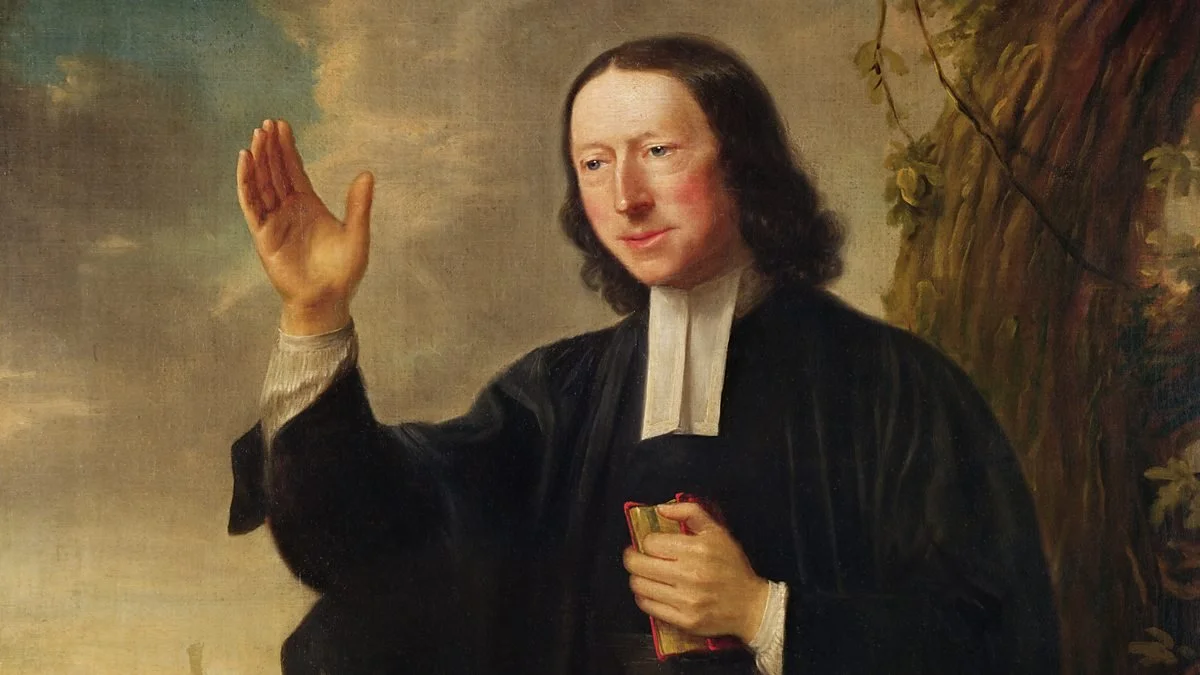
John Wesley
John Wesley was a visionary gospel leader whose strategic approach shaped one of the most far-reaching disciplemaking movements in history. He preached over 40,000 sermons and founded the Methodist movement. His legacy shows how intentional ministry can multiply disciples across generations.
Discipling culture
Example roles
Shaping the institutions that influence people’s discipleship:
Politics
Education reform
Legal reform
Media institutions
Tech and AI ethics
Urban planners placing churches at heart of planning
Promoting church based development within secular NGOs
Shaping society’s view of Christ:
Thought leadership through applied research (e.g. think tanks)
Cultural influence (e.g. through social media, song, blogs, podcasts, writing, as a public figure)
Discipling culture is creating a culture which helps make disciples. This means strategically shaping institutions, ideas and public discourse to foster societal responsiveness to the gospel. Making disciples doesn’t happen in a vacuum - a nation’s culture and institutions shape what people believe, how they live, and whether they’re open to Jesus. By discipling culture, we facilitate the disciple making work of the entire body of Christ, paving the way for the nation to know him. However, key spiritual dangers of such roles include power, self-glory, and worldliness.
Biblical precedent
The Bible is clear that those in influential positions matter.
“I urge, then, first of all, that petitions, prayers, intercession and thanksgiving be made for all people – for kings and all those in authority, that we may live peaceful and quiet lives in all godliness and holiness”
Paul calls us to pray for those in power precisely because their leadership shapes how people can live lives of godliness. But we are not only to pray, we are often called to lead.
Throughout Scripture, God positions his people to disciple culture, using their positions of influence to shape the direction of nations.
Daniel (Daniel 6): Serving as a royal official, Daniel’s steadfast faith and deliverance from the lions moved the king to command everybody to worship God.
Nehemiah (Nehemiah 2:1–10): As cupbearer to the king, he leveraged royal trust to rebuild Jerusalem and allow Jews to worship God in the temple.

Potential impact
Strategically discipling culture can create far-reaching, long-term impact by shifting the spiritual climate of a nation. It can open doors for the gospel that would otherwise remain closed.
For example:
Reforming religious studies in schools, currently one of the least popular subjects, could make space for every child in the country to come face-to-face with the claims of Christ and the call to follow Him.
The Chosen (TV series) is discipling culture through high-quality visual media. It portrays Jesus with emotional depth and historical realism, and has reached over 600 million views globally - introducing Him to many who would never attend church.
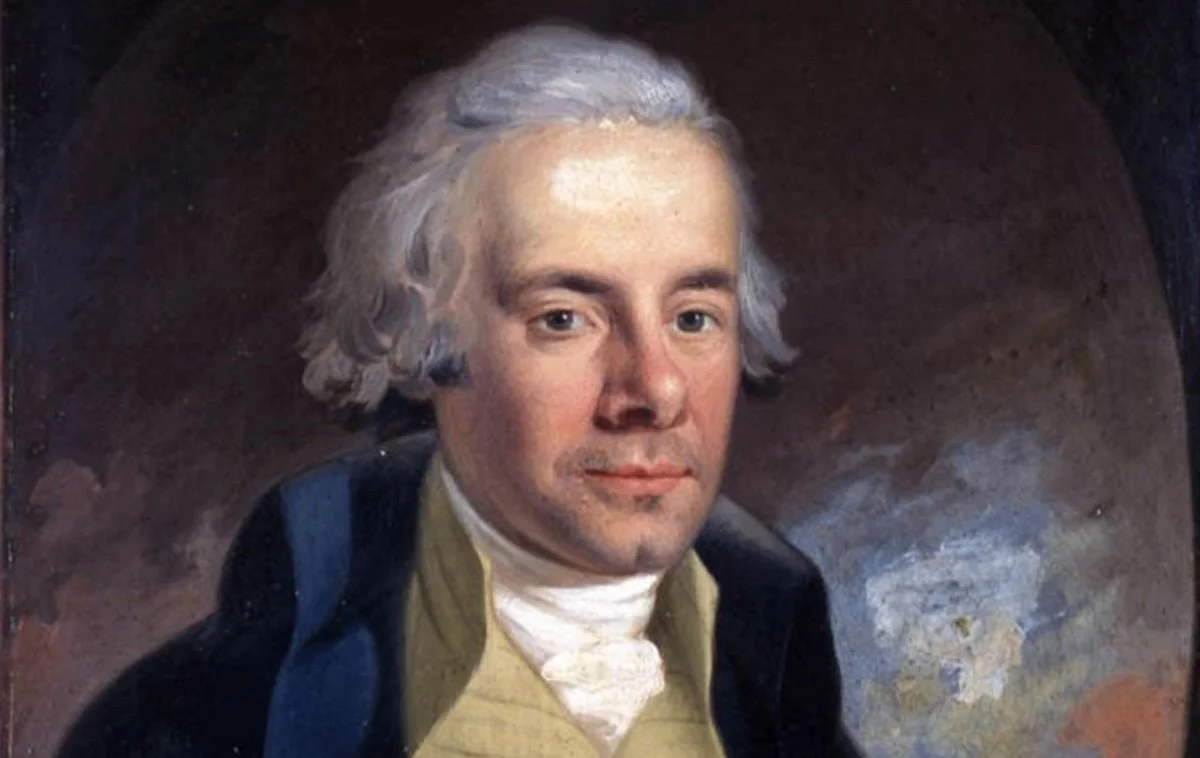
William Wilberforce
Wilberforce discipled culture. He campaigned for the abolition of the slave trade, therefore shaping the institutions which influence people’s discipleship. He was equally passionate about shaping society's view of Christ, what he considered “the reformation of manners”, believing that only the love of God could truly teach people how to love one another.
“God Almighty has set before me two great objects, the suppression of the Slave Trade and the reformation of manners.”
Gospel patronage
Example roles or industries:
Entrepreneur
Finance (trading, private equity, etc.)
Big tech
Corporate lawyer
Consultant doctor
Tradesperson
Business owner
Pilot
Property developer
Gospel patrons are those generating resources to fund the gospel preachers and the culture disciplers. However, key spiritual dangers include greed, lifestyle creep, and distraction.
Three elements are important to have a large impact.
Be sacrificial. This should be a costly ministry where we sacrificially submit everything to God. Practically, we encourage setting a lifestyle cap beyond which all income goes to gospel ministry. Therefore, we earn to give - as our income increases, we raise our standard of giving, not our standard of living.
Seek a high income. John Wesley famously suggests we gain all we can and save all we can solely to give all we can.
Give effectively. We should give strategically as well as generously to use our resources to have the biggest disciple-making impact. Inspired by Wesley, we suggest our attitude to money should be “get all we can, keep as little as we can, and give as effectively as we can”.
Biblical precedent
Wealthy supporters appear throughout the New Testament. For example, Mary Magdalene, Joanna, Susanna and others supported Jesus and his disciples “out of their own means” (Luke 8:3), and Paul was supported by Phoebe, a “patron of many” (Romans 16:2). Paul himself suggests we should earn, so we can give to those in need.
“Anyone who has been stealing must steal no longer, but must work, doing something useful with their own hands, that they may have something to share with those in need.”
Potential impact
Gospel patronage is, if we have the gifts to do it, an easy way for many of us to make a very tangible, significant kingdom impact. For example, with full-time indigenous church planters needing to live off less than £1000 per year in many unreached countries, imagine the impact of Christians seeking high incomes, solely to each fund dozens or even hundreds of gospel workers.

Historical example
John Laing was the owner of Laing Construction, builder of the M1 and the Severn Bridge. Alongside transforming workers’ rights, he funded and advised many new evangelical organisations. These included Christian Unions through UCCF, Tyndale House, which prepared the ESV Bible, and he resourced countless church plants across the UK. He was able to do this by vowing to make God a partner of his business and capping his expenditure to that of a middle manager.
Lady Huntingdon
Lady Huntingdon, a wealthy Countess, significantly supported the 18th-century Methodist revival through extensive gospel patronage. She constructed 200 chapels, backed evangelical preachers like George Whitefield, and founded a ministerial training college.

A word of caution
Gospel patronage often means working in demanding, high-pressure settings where wealth and status are prized. These environments bring real temptations that can quickly pull hearts from Christ. This path requires sober discernment and firm accountability – and even with the right skills, it is not for everyone.
Role spotlight: Missional entrepreneurship
What is it
Missional entrepreneurship is launching gospel ventures that address the mission challenges of our time. It is reimagining mission by creating new models of ministry.
Why we need it
Billions have no chance of hearing the gospel. Mission in the West is expensive and often ineffective. At the same time, our world is changing rapidly, and new frontiers of mission are opening. The church can no longer default to “maintenance” over mission. Instead, we need fresh imagination with innovative approaches.
How to do it
Has God built us to innovate? If so, start pioneering ministries now to develop our skills. And whenever possible, take risks for the gospel - seek seed funding to go full-time and trust in God’s provision.
Alongside missional ventures, entrepreneurs could launch for-profit startups, giving them the power to disciple the wider culture and fund gospel ministry. Yet a particularly neglected area is innovation in how we’re doing ministry.
Example roles
Church planters - new faith communities in creative contexts
Missional tech founders - developing AI tools, apps or platforms for evangelism and discipleship.
Media organisations founder: Creating organisations which use media, arts and online content to share the gospel and shape culture
Mission organisation founder
Christian social enterprise founder (businesses addressing both social and spiritual needs)
Youth ministry founder
Ecosystem founder (building networks and communities which foster more effective disciple-making)
Creating alternative education models, for example, founding Christian schools
Put it into practice
Which of these three pathways (if any) could most effectively leverage your gifts, opportunities, and leading for maximum disciple-making impact?
Do your skills lend themselves to discipling culture, and if so, what career and what path within it would lead to the greatest impact?
Could you see yourself serving in full-time ministry, whether in a teaching or operational role?
Could gospel patronage be your path, and if so, would you commit to sacrificial generosity to guard against the pull of wealth?
What spiritual dangers in these careers would you be most vulnerable to — and how could you guard against them?
Given your current faith, would pursuing one of these careers be wise, or could it expose you to dangers you’re not ready for?
Understanding Impact
It all begins with an idea.
It’s all about disciple-making impact.
Impact is the effect of what we do. It is the change our actions make in the world.
The impact we should be concerned with is our disciple-making impact. Why? Because making disciples is the mission Jesus has given us. Imparting this mission was both the first and last thing he said to his disciples. The last words were:
“Go and make disciples of all nations”
Less familiar are Jesus' first words, though they point to the same purpose: “Come, follow me,” Jesus said, “and I will send you out to fish for people” (Matthew 4:19) — people whose lives are changed forever by becoming followers of Jesus.

But what does it mean to make disciples? A disciple is more than someone who just believes in Jesus. It also includes obedience and action. As Jesus explains, making disciples includes “teaching them to obey everything I have commanded you” (Matthew 28:20).
Being a disciple is not simply about identifying as a Christian or attending church once a week. It is about reordering our loves and priorities around Jesus’ teachings, learning to obey all that he commanded. Such transformation, in us and others, will inevitably shape the way we live, influence those around us, and change the world.
When we look at our world, the multitude of needs is painfully clear, and Christians can and do obediently respond to these needs in many ways. Yet we believe that every need ultimately finds its fulfillment in knowing Jesus, and following him. For this reason, we see disciple-making impact as of first importance, and therefore the primary focus of Fruitful Work.
In light of this, it is also important to remember that practical service, carried out in Christ’s name and through the Church, is fundamental to being faithful disciples ourselves, and can be a powerful way of making disciples of others.
Why impact matters
Jesus calls us to seek fruitfulness as well as faithfulness.
Jesus commands us to surrender everything we have and depend on him to use what he has given us for a huge Kingdom impact, especially if we’re gifted with greater skills, resources, and intelligence.
He teaches us to seek a return. In the parable of the talents (Matthew 25:14-30), the master commends the servants who doubled his money, saying, “Well done, good and faithful servant,” demonstrating that Jesus values fruitful stewardship and meaningful results.
He expects extraordinary returns. The parable of the sower shows that, as the good soil, we will yield a hundred, sixty, or thirty times what was sown (Matthew 13:23).
Those who’ve been entrusted with much have a particular responsibility to surrender and multiply it for a high impact. “From everyone who has been given much, much will be demanded.” (Luke 12:48)
God is glorified as we abide in him and expect extraordinary fruitfulness. “This is to my Father’s glory, that you bear much fruit” (John 15:8).
But the seed falling on good soil refers to someone who hears the word and understands it. This is the one who produces a crop, yielding a hundred, sixty or thirty times what was sown. (Matthew 13:23)
The stakes are high:
Following Jesus is so significant because he brings life in all its fullness in the here and now, and life everlasting.
Jesus’ heart aches for those who are far from him. He sees the great need in the world and calls us to action. The call is urgent.
“The harvest is plentiful, but the workers are few”
We are the workers in the harvest field, entrusted with the mandate to partner with God in bringing his Kingdom to earth. Effectiveness is crucial because the stakes are so high. To reach as many as possible with the Gospel, we must do all we can to build God’s Kingdom.
Seek effectiveness by going all-in with your intelligence
We may be familiar with the call to go all-in with our time and money. We’re perhaps less familiar with the call to go all-in with our intelligence as well. This means working smart as well as hard. God wants us to wisely steward our intelligence for him, just as we do our time and money
If we rely solely on our hearts without engaging our minds, we risk missing significant opportunities for impact. Focusing on effectiveness counteracts this by applying Spirit-given wisdom and intelligence to use every gift and resource in ways that bear the greatest fruit for God’s Kingdom.

Effectiveness means being shrewd in how we use our wealth and gifts. In the parable of the shrewd manager, Jesus chastises the “people of the light” for being naive in their understanding of how to use their worldly wealth (Luke 16:8). Being effective requires us to be shrewd in using what God has given us.
Effectiveness involves aiming for tangible outcomes. For example, Paul’s ministry is goal-oriented, strategically adapting to be the most humble servant in any context to “win as many as possible” for Christ (1 Corinthians 9:19-23).
Yet we must ultimately surrender these outcomes to God. Whilst we plant and water, it is God who makes things grow (1 Corinthians 3:7). Like Jeremiah, we may labour faithfully for the Kingdom with little visible impact, but his plans extend far beyond our perspective. We should try for the biggest impact, but surrender the eventual impact to God.
In practice
Make wise career choices
Careers are 80,000 hours – one of the most significant resources God has entrusted to us. While all work can honour God and create opportunities for witness, some careers can offer far greater disciple-making impact than others for the same individual. For example, for one person, moving into education reform could shape how millions encounter the gospel at school, or choosing a children's ministry role could have a multiplying effect, equipping and mobilising others to make disciples.
Give wisely
Where we give greatly affects our impact. Research shows certain charities can be 100 times more effective than other good ones, meaning wise choices can multiply the difference we make for the Kingdom. For example, giving to disciple the unreached can multiply our impact many times over. Very little Christian giving is directed here, yet ministry in these places often costs a fraction of similar work in the UK.
“Some ministries and programmes, though well-intentioned, can inadvertently do more harm than good, which makes choosing carefully all the more important.”
Put it into practice

How does the “hundred, sixty, or thirty times” yield in the parable of the sower challenge your vision for fruitfulness?
How does Luke 12:48, “from everyone who has been given much, much will be demanded,” shape your sense of responsibility?
How do the eternal consequences of belief and unbelief shape your career priorities?
What would it look like to focus on impact and effectiveness in your work or ministry?
Have you truly surrendered the outcomes to God — being content to labour faithfully even if the visible impact is small?